Summary
Saturday produced few strong freight reports, so this brief focuses on market and operational updates published on October 9, with October 8 port activity as dated context. Far East–US West Coast spot rates edged down, while Asian port congestion and empty-container returns in the Philippines continued to constrain usable capacity. A new Australian export documentation rule will tighten pre-load preparation, while digital air booking access is expanding. In China, stable Yingkou–Xiamen sailings and a milestone LNG vessel call illustrate continued port corridor operations.
Key Updates
Select a headline to expand the full update.
FreightWaves cited Xeneta data showing Far East–US West Coast spot rates down $2 per FEU on Oct. 7, the first daily decline since mid-September. The average remained 1.1% above Sept. 30 at $8,336 per FEU. Asia–Mediterranean and North Europe rates fell 5.9% and 2.5% over the same period, highlighting different supply-demand paths by trade.
Source: UPDATED: US West Coast container rates edge lowerThe Philippine Ports Authority said more empty-container yards around Manila could help trucks return boxes promptly and free terminal space for laden imports. Proposed areas include locations outside Metro Manila, but the extra cost of moving empties to those depots remains unresolved. A proposed customs order on yard use and charge transparency is also awaiting signatures.
Source: PPA: More empty container yards quickest fix for port congestionThe World Research Institute’s Logistics Growth Index for the Philippines registered 48.1 in September, below the 50 threshold separating expansion from contraction and down from 48.6 in August. The index report identified port disruptions and cancelled sailings as the main drag. Warehousing remained a relative bright spot, supported by e-commerce demand.
Source: Port disruptions drag PH logistics sector growth in Sept—WRI indexDaily Cargo News reported on Oct. 9 that Maersk will require shipping instructions before loading for eligible Australian export cargo. Customers must complete the shipping-instruction and bill-of-lading verify-copy process 38 hours before the first load port’s estimated arrival. A soft launch is planned for Nov. 2, with a hard stop from Nov. 30. Late documents may roll cargo and add storage or handling costs.
Source: Maersk is launching a No Shipping Instruction, No Load policyOn Oct. 9, Silk Way West Airlines announced broader access to its capacity, live rates and eBooking through CargoAi across the US, Europe and Asia. The integration supports general cargo, lithium batteries and dangerous goods, and offers connections to transport-management systems. Forwarders can search and book the airline’s capacity through digital channels they already use.
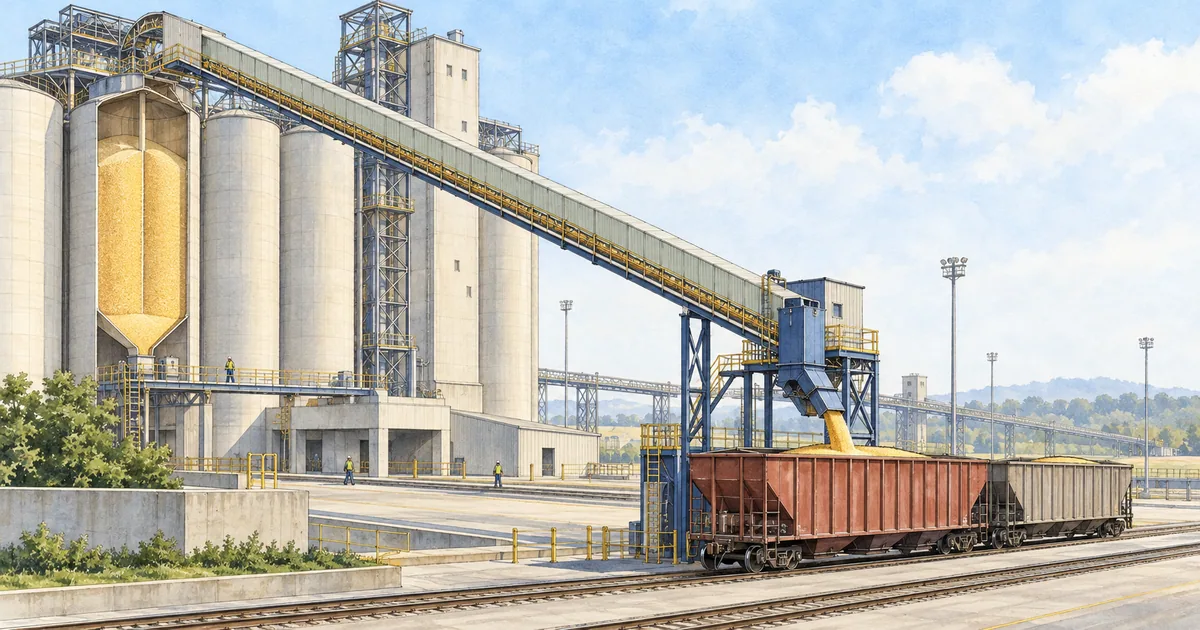
Source: Silk Way West Airlines expands digital booking access through CargoAiA China Water Transport News report republished by Fujian’s transport department on Oct. 9 said seven regular routes currently operate between Yingkou and Xiamen, with nine weekly sailings. Priority berthing and process changes have cut vessel port stays by four to six hours. Grain shipments on the corridor grew 62% year over year in January–August 2026. Port operators said they would strengthen terminal coordination for north-to-south grain and other cargo flows.
Source: 营口厦门两港共建稳定海上货运通道Xinhua reported on Oct. 9 that the PetroChina Jiangsu LNG terminal at Yangkou Port in Rudong, Jiangsu, received its 900th LNG carrier since operations began in 2011. The vessel call marks continued activity in imported energy cargo handling and offers a milestone in the terminal’s operating history.
Source: 江苏如东洋口港迎来第900艘LNG船舶People’s Daily reported on Oct. 8 that Shanghai’s Yangshan automated terminal handled more than 79,000 TEUs in the first three holiday days. Qinzhou’s automated terminal operated around the clock, with throughput estimated at about 45,000 TEUs for Oct. 1–7. The report also described rail-water and river-sea links connecting southwest China cargo with ASEAN after the Pinglu Canal opened. This Oct. 8 item provides dated context on holiday operations and intermodal capacity.
Source: 港口繁忙,外贸活力澎湃涌动DH Logistics View
- Rate and port signals are mixed: US West Coast spot prices have softened only marginally, while empty-container returns and sailing disruptions in the Philippines still affect usable capacity. Check the trade, schedule, empty-return location and destination terminal conditions together when booking.
- Documentation cutoffs and multimodal handoffs also shape delivery. Allow time for Australian export bill-of-lading approval, and compare the schedule, port stay and transfer costs of stable coastal services for grain and other bulk cargo.
Planning Notes
- Compare US-bound quotes by origin, destination and validity period, and leave room for weather-driven schedule changes.
- Before dispatching Manila-area cargo, confirm the empty-return depot, appointment window and responsibility for extra drayage to outlying yards.
- Complete Australian export shipping instructions and bill-of-lading verification early, working backward from the carrier’s published cutoff.
- For digital air bookings, confirm acceptance rules for dangerous goods or lithium batteries, space confirmation and the final rate.
Sources
View sources (8)
- International · Industry mediaUPDATED: US West Coast container rates edge lowerFreightWaves / American Shipper · 2026-10-09
- International · Industry mediaPPA: More empty container yards quickest fix for port congestionPortCalls Asia · 2026-10-09
- International · Industry mediaPort disruptions drag PH logistics sector growth in Sept—WRI indexPortCalls Asia · 2026-10-09
- InternationalMaersk is launching a No Shipping Instruction, No Load policyDaily Cargo News · 2026-10-09
- International · Company announcementSilk Way West Airlines expands digital booking access through CargoAiSilk Way West Airlines · 2026-10-09
- China · Official institution营口厦门两港共建稳定海上货运通道福建省交通运输厅(转载《中国水运报》) · 2026-10-09
- China · Industry media江苏如东洋口港迎来第900艘LNG船舶新华网 · 2026-10-09
- China · Industry media港口繁忙,外贸活力澎湃涌动人民日报 · 2026-10-08