Summary
Freight developments on October 27 showed weather, rail infrastructure and trade policy continuing to redirect cargo flows. Typhoon Champi and congestion at Asian ports offered temporary support to some container rates, while ample capacity and the seasonal slowdown limited the chance of a lasting rebound. Rail damage disrupted services to London Gateway and Tilbury, requiring shippers to assess road alternatives. Shenzhen port reached its annual throughput milestone early, and vessel-service facilities along the Pinglu Canal are expanding.
Key Updates
Select a headline to expand the full update.
The Loadstar, citing Linerlytica, reported that Typhoon Champi and vessel bunching at Southeast and South Asian ports delayed some ships by up to about three days, temporarily absorbing effective capacity and supporting spot rates. Yet high Asia–North Europe deployment, faster vessel rotations as Suez services return, winter slack-season demand and carrier price competition all limit the scope for a sustained rebound.
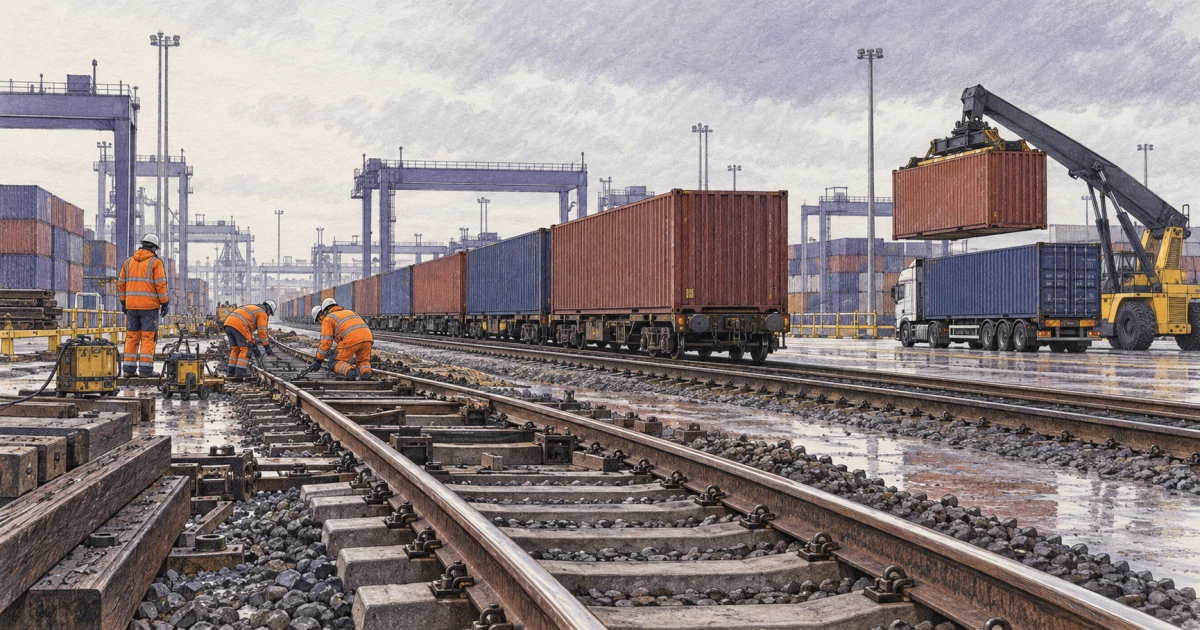
Source: Champi’s support won’t reverse market trendA derailment after severe storms damaged more than 1 km of track. Tilbury and Tilbury 2 had no rail freight service for the week, while London Gateway operated a reduced service. Hapag-Lloyd advised merchant-haulage customers to consider road alternatives and said its carrier-haulage team would discuss options; available truck capacity, backlog size and the rail-repair timetable remained uncertain.
Source: No rail freight from London Gateway and Tilbury after stormsTiL Group told an industry conference that US tariff changes may relocate trade between Canadian and US ports rather than eliminate it. The harder operational problem is a surge of shipments ahead of policy deadlines. Terminals cannot expand yards, rail capacity and staffing as quickly as carriers can add vessel capacity, so short-lived peaks can raise congestion and handling costs.
Source: Tariff announcements cause cargo chaos for box terminals, says TiLShenzhen’s transport authority reported 30.1 million TEU handled through October 17, up 7.7% year on year and roughly three weeks ahead of last year’s milestone; laden containers rose 8.0%. The port has more than 270 international liner services, 33 inland ports and 45 sea–rail intermodal routes. Inland-port traffic reached 209,000 TEU year to date, up 49%.
Source: 深圳港吞吐量比2025年提前3周破3000万标箱A China Transport News report carried by the Ministry of Transport describes a Qinzhou waterway service area that can berth 23 vessels of 5,000 tonnes and serve as a temporary anchorage. Its integrated energy station supports both vessels and road vehicles, with LNG bunkering capacity of 150 kg per minute. The facility adds berthing, shelter and replenishment services for vessels using the Pinglu Canal.
Source: 水陆两用 一区多能DH Logistics View
- Separate short-term weather disruption from the underlying freight cycle. Congestion can temporarily support rates, but it does not remove seasonal capacity or price competition. Compare quotes by lane, sailing and confirmed space, and avoid treating a one-week disruption as a durable rate trend.
- A rail outage shifts pressure to drayage, yard capacity and terminal appointments; growth at Chinese gateways also makes inland connectivity more important. Confirm both port and inland capacity for cross-border shipments, and keep a workable road or rail-recovery contingency.
Planning Notes
- For UK southeast gateway cargo, confirm actual rail services, terminal pickup windows and truck availability shipment by shipment; do not assume rail operations have normalized until confirmed.
- On typhoon-affected Asian lanes, verify actual port calls, sailing schedules and quote validity, and assess weather-related costs separately from base freight rates.
- For Shenzhen and South China exports, compare inland-port, sea–rail and combined-port options while checking schedules and customs handoffs at each leg.
Sources
View sources (5)
- International · Industry mediaChampi’s support won’t reverse market trendThe Loadstar · 2026-10-27
- International · Industry mediaNo rail freight from London Gateway and Tilbury after stormsThe Loadstar · 2026-10-27
- International · Industry mediaTariff announcements cause cargo chaos for box terminals, says TiLThe Loadstar · 2026-10-27
- China · Official institution深圳港吞吐量比2025年提前3周破3000万标箱深圳市交通运输局(深圳市港务管理局) · 2026-10-27
- China · Official institution水陆两用 一区多能交通运输部(中国交通新闻网) · 2026-10-27